Most people think an interior decorator’s path is a straight line. The reality in Dubai’s luxury market is far more layered—with skills like FF&E procurement, lighting design strategy, and smart home integration shaping success. If you want to know how to become an interior decorator who stands out, this roadmap by AV Design International reveals the essential steps to build your portfolio and master modern minimalist design in Dubai.
Essential Skills and Credentials
Starting your journey as an interior decorator involves mastering key skills and acquiring the right credentials. It’s not just about having a good eye; you need to understand the elements that make spaces functional and beautiful.
Mastering Color Theory and Materiality
First up, understanding color theory and materiality is crucial. Colors can transform a space instantly and affect mood. Start by learning the basics of color wheels and how different hues interact with each other. Experiment with color schemes in small projects or samples. Materiality focuses on the textures and materials that add depth to your designs. Consider how materials like wood, metal, and fabric can change the feel of a space. Dive into online courses or workshops to deepen your knowledge. Remember, each material and shade has a story to tell, and your role is to weave them into a cohesive design.
Understanding Space Planning Essentials
Space planning is where function meets aesthetics. It’s about making rooms flow, ensuring they serve their purpose effectively. Begin with the basics: measuring spaces accurately and sketching layouts. Use simple tools or software to experiment with different arrangements. Think about how people move through a space and the connections between different areas. For example, the placement of furniture should encourage conversation or relaxation. As you practice, you’ll start seeing spaces not just as empty rooms but as canvases for your creativity. This skill turns a house into a home that feels just right.
Building Your Portfolio as a Decorator
Building a portfolio is your chance to showcase your talent. Start by documenting every project you work on, no matter the size. Take high-quality photos that capture the essence of your designs. Create a digital portfolio to share with potential clients or employers. Highlight your best work and include a mix of different styles to show your versatility. Remember, your portfolio is not just about showing what you’ve done, but also what you can do. It’s your visual resume, so make it as engaging and polished as possible.
Navigating the Dubai Design Market
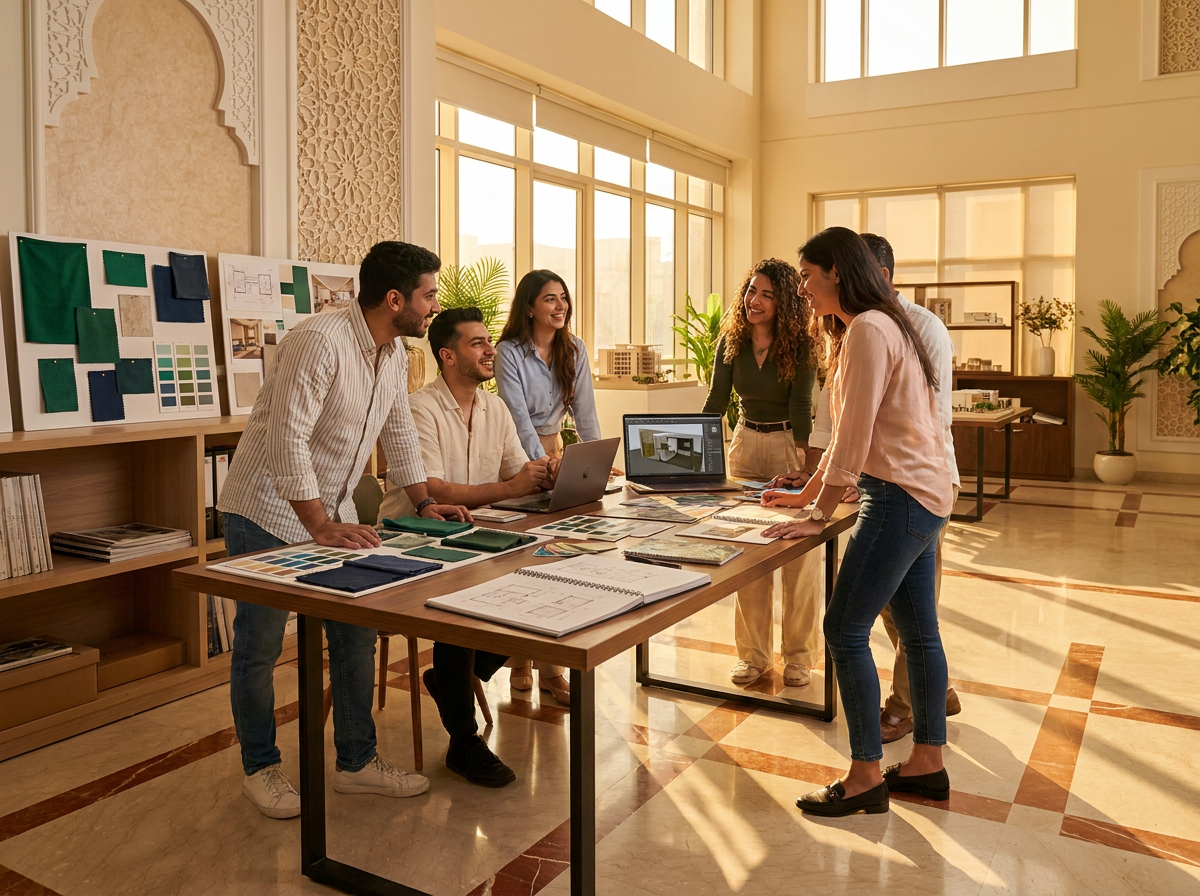
Dubai’s design market is a dynamic and diverse space. It offers unique opportunities for those who are prepared to dive in and make a mark. Understanding the local market and its trends is key to success.
Luxury Interior Design in Dubai
Luxury interior design in Dubai is about more than just opulence. It’s about creating spaces that reflect the client’s lifestyle and aspirations. In this vibrant city, clients seek designs that combine comfort with elegance. They want interiors that are both sophisticated and inviting. To appeal to this market, focus on high-quality materials, innovative designs, and attention to detail. Stay updated with global design trends while incorporating local cultural elements. This approach will help you create spaces that speak to the luxury market’s unique tastes.
Modern Minimalist Design Trends
Modern minimalist design is gaining popularity in Dubai. It’s all about simplicity, functionality, and elegance. The key is to create uncluttered spaces that are still warm and inviting. Use a neutral color palette and natural materials to achieve this look. Emphasize clean lines and open spaces. This style appeals to those who want a sophisticated yet understated environment. As you explore this trend, remember that less is often more. Focus on the essentials and let each piece in the room have its moment.
Smart Home Integration in UAE
Smart home integration is becoming a must-have in UAE interior design. This involves incorporating the latest technology to make homes more efficient and enjoyable. Think automated lighting, smart thermostats, and integrated sound systems. Clients are looking for spaces that enhance their lifestyle through technology. As an aspiring decorator, familiarize yourself with these technologies and how they can be seamlessly integrated into your designs. This knowledge will not only make you stand out but will also help you meet the modern demands of the market.
Positioning Yourself for Success
To stand out in a competitive market, you need to understand the nuances of your role and present your work effectively. This involves differentiating yourself and mastering key tools of the trade.
Interior Decorator vs Interior Designer
Understanding the difference between an interior decorator and an interior designer is crucial. Decorators focus on the aesthetics and surface aspects of a space, like colors, textures, and furniture. Designers, on the other hand, may take on structural changes and larger projects. Knowing where you fit can help you target the right clients and projects. If you aspire to become a designer eventually, consider further education or certifications to expand your knowledge and skill set.
Client Presentation Boards and Mood Libraries
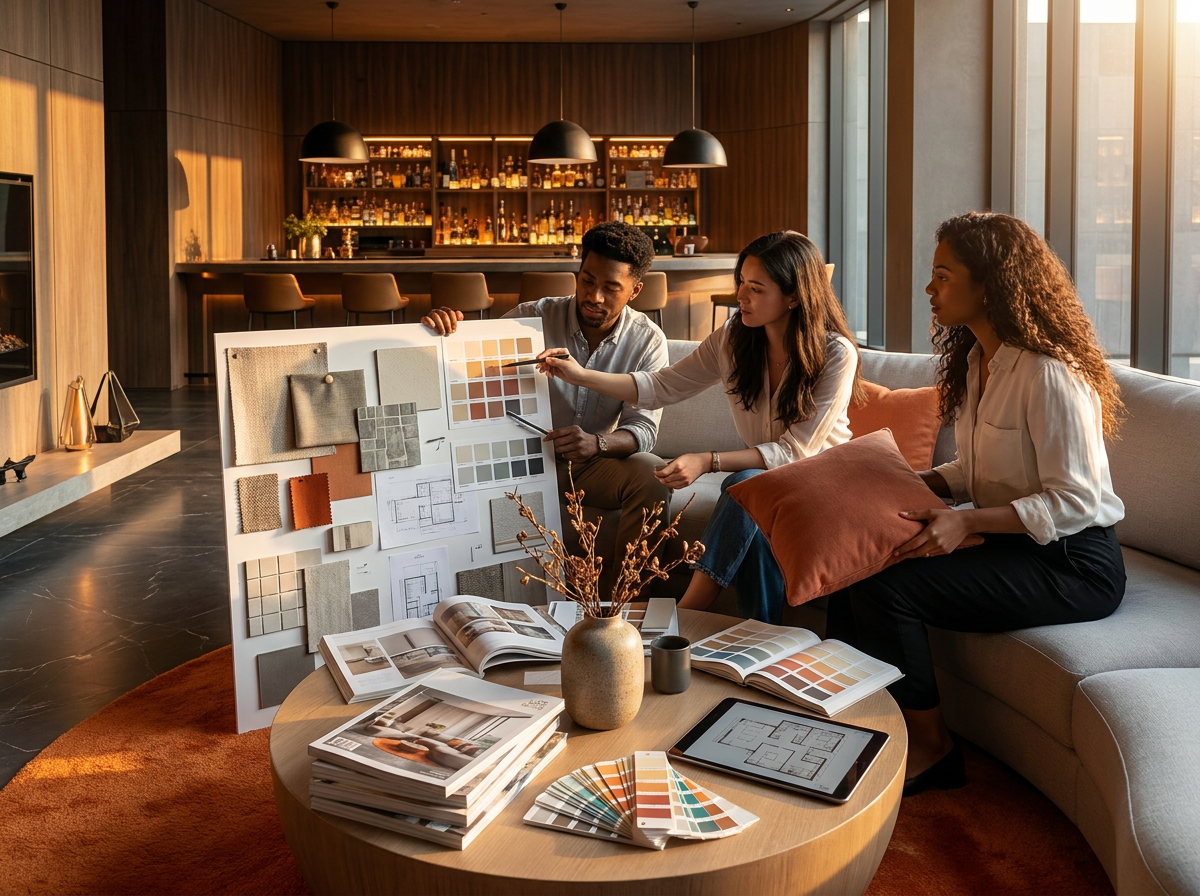
Presentation boards and mood libraries are tools that help communicate your vision to clients. A presentation board showcases the elements of a design, such as fabrics, colors, and furniture. Meanwhile, mood libraries are collections of images that capture the overall feel of your concept. These tools help clients visualize the outcome and make informed decisions. Regularly update your libraries with fresh ideas and trends to keep your presentations inspiring and relevant.
The Role of FF&E Procurement and Lighting Design
FF&E (Furniture, Fixtures, and Equipment) procurement and lighting design are critical components of successful interior projects. FF&E involves selecting and sourcing items that meet the design and budgetary requirements of a project. Lighting design enhances the ambiance and functionality of a space. Both require attention to detail and a good understanding of the market. As you grow in your career, honing these skills will set you apart and enable you to deliver comprehensive design solutions.


