Forget everything you know about hotel design in Dubai. Minimalist luxury combined with smart technology is reshaping guest expectations and boosting returns like never before. You’re about to see how innovative hotels use architectural lighting, seamless AV integration, and tailored interiors to create spaces that captivate and perform. Let’s explore what makes these designs stand apart—and how AV Design International can bring this vision to your project.
Minimalist Hotel Design Concepts
Minimalist hotel design is all about merging style with functionality. These spaces offer a unique blend of luxury and simplicity, creating environments that are both inviting and efficient. Let’s delve into the core elements that define this trend.
Blending Luxury with Simplicity
Imagine walking into a hotel lobby where every piece of furniture has a purpose. Minimalist design strips away the unnecessary, leaving only what adds value. This doesn’t mean sacrificing luxury. Instead, it means emphasizing high-quality materials and thoughtful design choices. Picture sleek lines and open spaces, where every detail is intentional. This approach not only enhances visual appeal but also promotes relaxation, making guests feel at home.
You might wonder how simplicity translates to comfort. The key is in the details. Soft lighting, plush textures, and carefully chosen colors work together to create a serene atmosphere. This balance transforms minimalism from cold and clinical to warm and welcoming. Minimalist design encourages guests to disconnect from the chaos, offering a peaceful retreat from the outside world.
Distinctive Elements of Minimalist Aesthetics
Minimalist aesthetics rely on clean lines and open spaces. Think of furniture that doubles as art. The focus is on creating a harmonious environment through simplicity. Neutral color palettes dominate, allowing natural light to be a star player. This makes spaces feel larger and more inviting.
Another hallmark of minimalist design is the use of natural materials. Stone, wood, and metal bring texture and warmth. These elements ground the space, adding depth without clutter. The result is an elegant setting that feels both cutting-edge and timeless. Minimalist design proves that less can indeed be more.
Enhancing Spaces with Architectural Lighting
Lighting is a game-changer in minimalist design. Thoughtfully placed fixtures enhance architectural features and create mood. Imagine a corridor lit by soft LED strips, guiding guests with understated elegance. This style of lighting adds drama and highlights textures, all while being energy-efficient.
Beyond aesthetics, lighting impacts how guests experience the space. It’s about more than just visibility. Proper lighting can energize or relax, setting the tone for various areas. In guest rooms, adjustable lights offer personalized comfort, allowing each visitor to tailor their environment. With lighting, the goal is to create an immersive experience that captivates from the moment one enters.
Smart Hotel Technology Integration
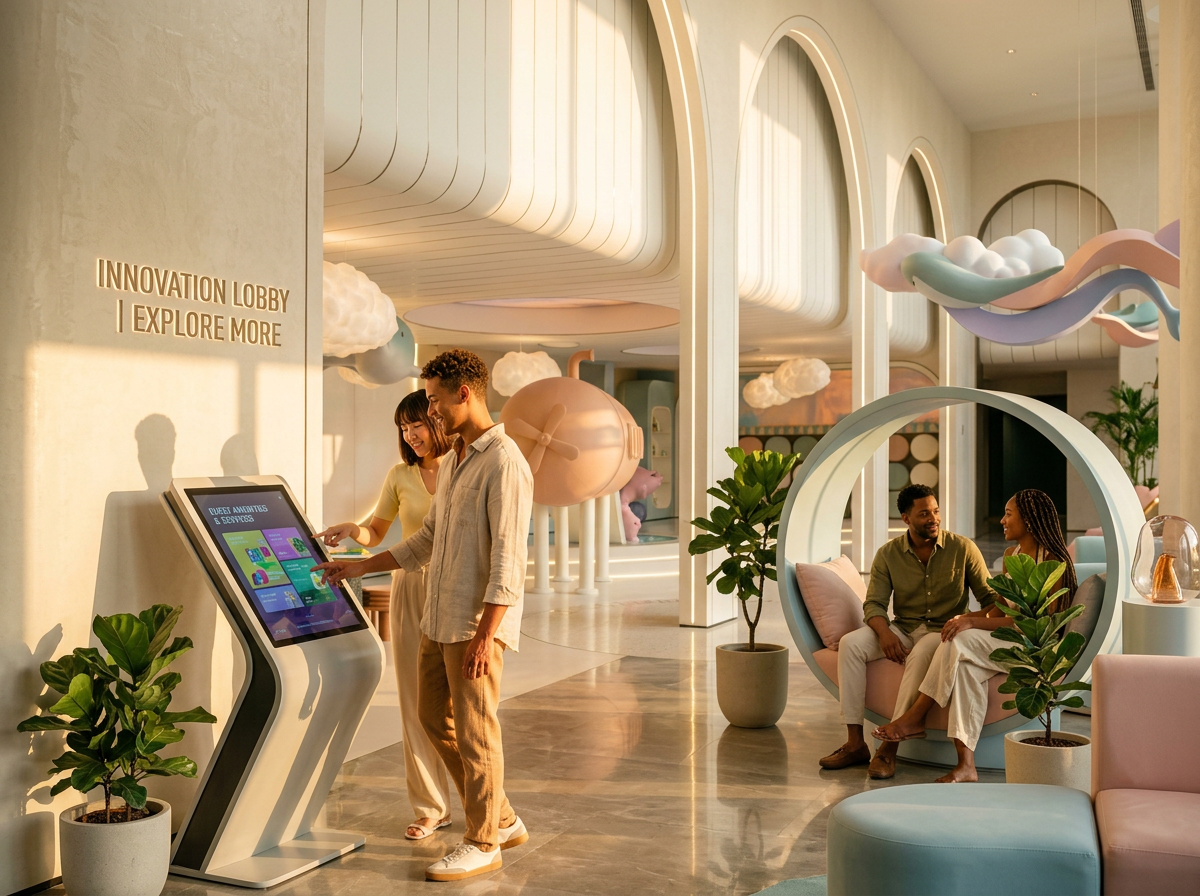
Transitioning from the physical aspects of design, technology plays a crucial role in modern hospitality. Smart integrations enhance guest experiences while optimizing operations. Let’s explore how technology is reshaping hotel environments.
Intelligent Guestroom Controls
Today’s guests expect more than just a comfortable bed. They want control at their fingertips. Smart guestrooms offer a personalized experience that begins the moment they check in. With a simple app, guests can adjust room temperature, lighting, and even window blinds. This level of control makes the stay more enjoyable and memorable.
Tech-savvy hotels are also adopting voice-activated assistants. Imagine being able to request room service or check the weather without lifting a finger. These features not only cater to guest preferences but also streamline operations. Hotels can gather data to better understand their guests’ needs, allowing for continuous improvement.
Seamless AV Integration for Hospitality
Audio-visual integration is no longer just a perk; it’s a necessity. In the hospitality industry, seamless AV systems are a key element in creating engaging spaces. From conference rooms to lounges, integrated systems provide convenience and sophistication. Picture a meeting room where the AV setup is intuitive and hassle-free. This ensures presentations run smoothly, enhancing productivity.
Entertainment is another area where AV integration shines. From in-room smart TVs to lobby screens displaying local attractions, the possibilities are endless. A seamless system ensures content is delivered flawlessly, enriching the guest experience. This blend of technology and design elevates hotels to a new level of service.
Elevating Guest Experience with Technology
Incorporating technology goes beyond gadgets and apps; it’s about enhancing the overall experience. Smart technology can anticipate needs, making guests feel valued. For instance, smart thermostats adjust room climate based on occupancy, ensuring comfort without waste.
The use of technology also extends to personalized marketing. Hotels can tailor offers to individual preferences, enhancing customer loyalty. By analyzing data, hotels can provide recommendations that resonate with each guest. This level of customization turns a simple stay into a memorable journey.
Sustainable and Biophilic Design Approaches
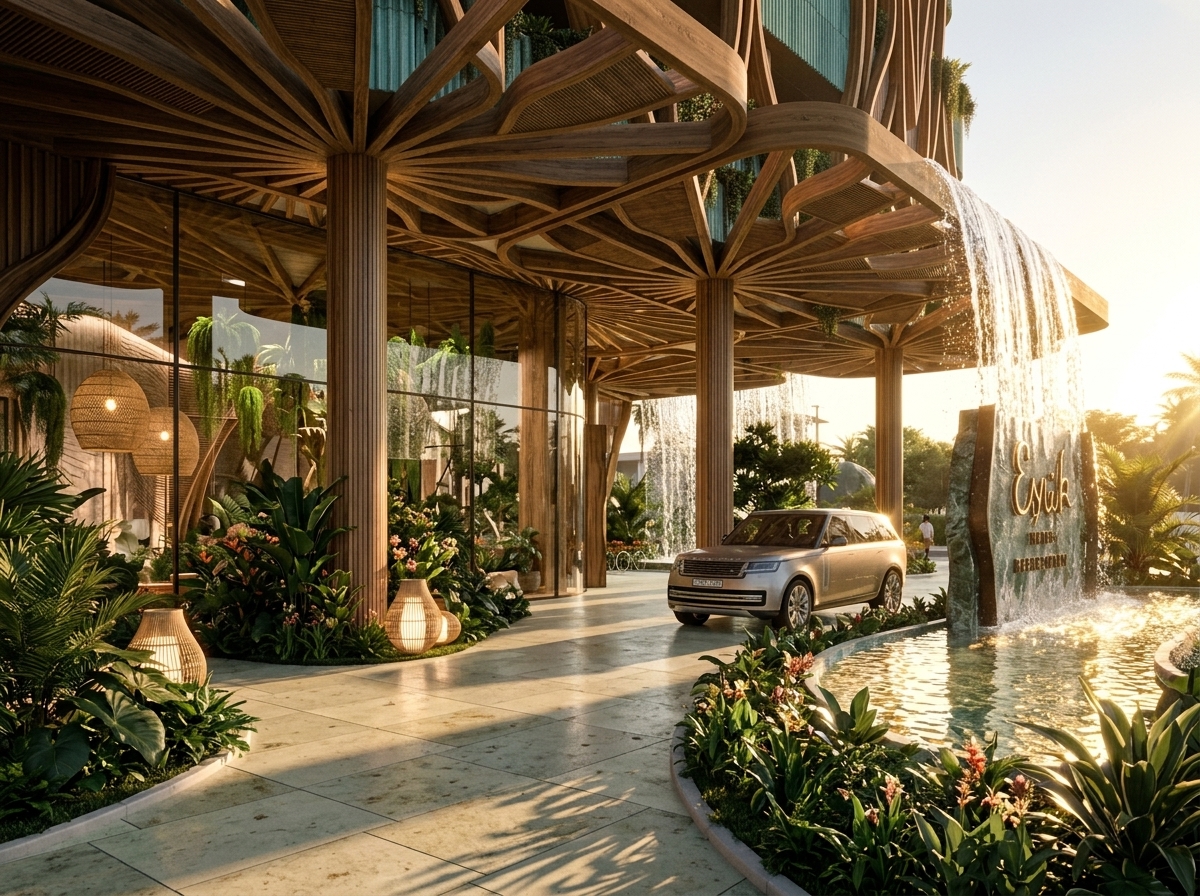
The future of hotel design not only focuses on aesthetics and technology but also on sustainability. Integrating nature and eco-friendly practices creates healthier environments. Let’s dive into how these elements are shaping modern hotels.
Eco-Friendly Innovations in Hotels
Eco-friendly designs are becoming a standard in the hospitality industry. Hotels are adopting practices that reduce their carbon footprint. This includes using sustainable materials and energy-efficient systems. By installing solar panels and smart water systems, hotels can significantly cut down on energy use.
The benefits extend beyond environmental impact. Guests are increasingly seeking out accommodations that align with their values. A commitment to sustainability can boost a hotel’s reputation and attract eco-conscious travelers. It’s not just about being green; it’s about being responsible and forward-thinking.
Integrating Nature with Biophilic Interiors
Biophilic design brings the outdoors inside, creating a connection with nature. This approach uses elements like natural light, greenery, and water features to enhance well-being. Imagine a lobby filled with plants and natural textures, offering a refreshing escape from the urban landscape.
Biophilic interiors do more than look pretty. They improve air quality and reduce stress, promoting a sense of calm. Hotels incorporating these features often see higher guest satisfaction. The spaces feel alive and invigorating, providing a unique experience that guests won’t forget.
Designing for Health and Wellness in Hospitality
Wellness is a growing trend in hospitality, with design playing a key role. Hotels are creating spaces that promote health and relaxation. From fitness centers with state-of-the-art equipment to spa-like bathrooms, the focus is on enhancing well-being.
Design choices also impact mental health. Open spaces, natural light, and calming colors contribute to a serene atmosphere. These elements help reduce stress and promote better sleep. By prioritizing wellness, hotels can offer a sanctuary that rejuvenates the body and mind.
In conclusion, the intersection of minimalist design, smart technology, and sustainable practices defines the future of hospitality. By embracing these trends, hotels can offer unparalleled guest experiences while boosting their bottom line. As the industry evolves, staying ahead means continuously innovating and adapting to new standards.


