Forget everything you know about hotel exterior design. In today’s market, a luxury hotel facade is more than just a pretty face—it’s a strategic asset that blends brand identity, technology, and sustainability into every detail. At AV Design International, we specialize in crafting iconic hotel architecture that captivates guests from the moment they arrive, using parametric facades, façade lighting design, and smart building technology hospitality to elevate your property’s presence. Let’s explore how your hotel’s exterior can set new standards in hospitality architecture Dubai and beyond.
Explore how luxury hotel design can redefine your property’s facade with tech-driven minimalism. Dive into the world of elevated minimalism for boutique hotels, where calm and character meet. Discover the secrets behind designing the ‘boutique hotels near me’ that guests consistently choose. For a comprehensive look at our services, visit AV Design International.
Strategic Principles in Hotel Exterior Design
Crafting a hotel’s exterior involves more than just aesthetics. It’s about creating a memorable first impression while reflecting the brand’s identity. Let’s dive into the key strategies.
Brand-Aligned Architectural Concepts
Imagine a facade that tells your brand’s story. Your hotel’s exterior should not only catch the eye but also resonate with what you stand for. By integrating brand identity into architectural concepts, you ensure guests feel connected from the moment they arrive. This connection can be achieved through unique design elements that echo your brand’s ethos. Consider aspects like color schemes or signature shapes that align with your overall image. This approach not only enhances brand recognition but also creates a cohesive guest experience.
Parametric Facades and Their Impact
Parametric facades are revolutionizing hotel design. These facades use algorithms to create dynamic, responsive exteriors. The result? A building that adapts to environmental conditions, offering both aesthetic appeal and functional benefits. For example, consider a facade that adjusts its shading based on sunlight, optimizing energy use while maintaining guest comfort. This innovative approach positions your hotel as a forward-thinking establishment, appealing to eco-conscious travelers and setting a new standard in the industry.
Porte-Cochere Design and Guest Arrival
The porte-cochere is often the first physical touchpoint for guests. Its design should seamlessly blend functionality with elegance. A well-designed porte-cochere can streamline arrivals, offering guests a convenient and memorable entrance. Consider elements like intuitive traffic flow, protection from elements, and aesthetic appeal, all contributing to an exceptional first impression. By focusing on these details, you enhance the overall arrival experience, ensuring guests feel welcomed and valued from the outset.
Technology Integration in Hospitality Architecture
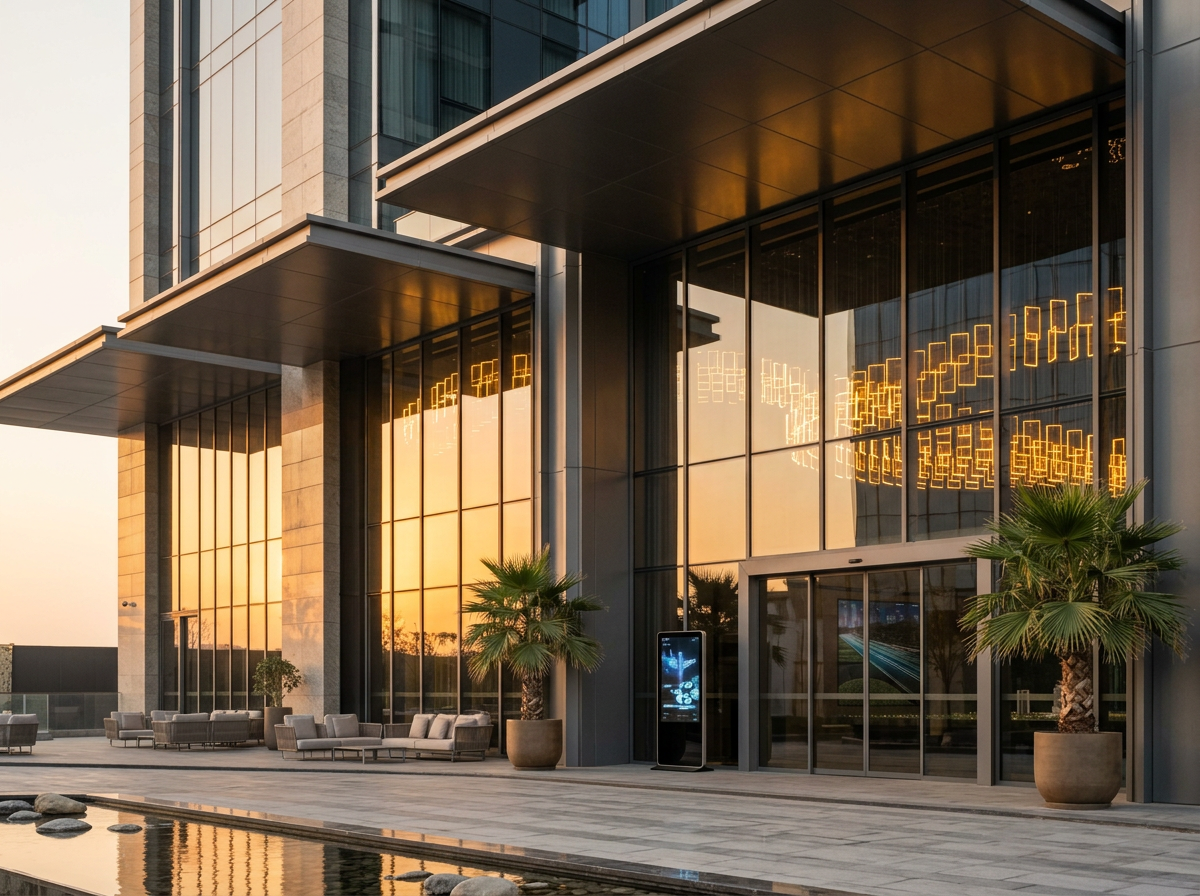
As we move forward, technology plays a crucial role in shaping modern hotel exteriors. Integrating smart solutions is key to staying competitive in the hospitality sector.
Smart Building Technology Hospitality Insights
Smart building technology transforms how hotels operate. These systems enhance energy efficiency, security, and guest comfort. Imagine a hotel that adjusts lighting and temperature based on occupancy patterns, creating a personalized experience for each guest. By incorporating such technologies, you not only reduce operational costs but also boost guest satisfaction. As technology continues to advance, staying updated with these innovations is crucial for maintaining a competitive edge.
Façade and Media Facade Design Techniques
Media facades offer a dynamic canvas for creativity and communication. These facades can display art, information, or advertisements, turning your building into a visual landmark. Effective media facade design requires a balance between aesthetics and functionality. Consider how the content displayed aligns with your brand message and enhances the guest experience. By leveraging media facades, you create an interactive environment that engages both guests and passersby, reinforcing your brand’s presence in the cityscape.
BIM-Driven Design and Coordination
Building Information Modeling (BIM) streamlines the design and construction process. By using BIM, you ensure precision and efficiency in every project phase. This technology allows for detailed visualization and coordination among all stakeholders, reducing errors and improving project outcomes. For hotels, BIM facilitates the integration of complex systems like smart technologies and media facades, ensuring seamless implementation. Embracing BIM-driven design positions your hotel as a leader in innovation and efficiency.
Sustainability and Lighting Expertise
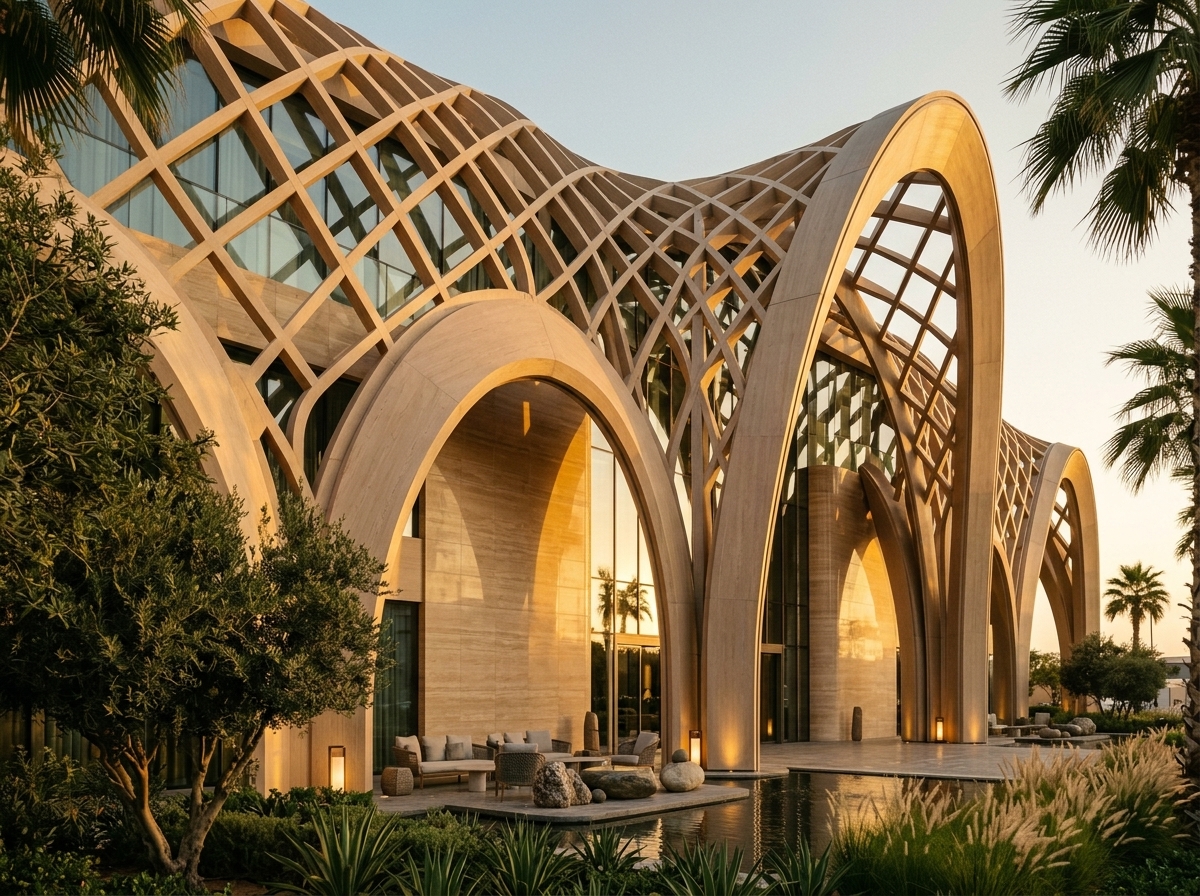
Sustainability and lighting are pivotal in crafting a hotel’s exterior that impresses while minimizing environmental impact. Let’s explore these elements.
Sustainable Hotel Design Practices
Sustainability is no longer optional; it’s essential. Implementing sustainable design practices reduces your hotel’s carbon footprint while appealing to eco-conscious travelers. Consider using renewable materials, energy-efficient systems, and water-saving technologies. By prioritizing sustainability, you not only contribute to environmental preservation but also enhance your brand’s reputation as a responsible entity. This commitment can be a powerful differentiator in the competitive hospitality market.
Exterior Hotel Renovation and LEED Certification
Renovating with sustainability in mind can transform your hotel’s exterior. Pursuing LEED certification demonstrates your commitment to green building practices. This process involves integrating sustainable materials, reducing energy use, and improving indoor environmental quality. Achieving LEED certification not only enhances operational efficiency but also attracts environmentally-conscious guests. By positioning your hotel as a sustainable leader, you set a new standard in hospitality architecture.
Façade Lighting Design and Wayfinding
Lighting plays a crucial role in both aesthetics and functionality. Effective facade lighting enhances your hotel’s visual appeal while providing safety and guidance. Consider energy-efficient lighting solutions that highlight architectural features and assist in wayfinding. By strategically placing lights, you create a welcoming and secure environment for guests. Moreover, innovative lighting designs can transform your hotel’s exterior into a captivating night-time landmark, attracting attention and reinforcing brand identity.
By focusing on these strategic principles, technology integrations, and sustainable practices, your hotel’s exterior can set new standards in luxury hospitality architecture.


