Forget the old hotel design routines that focus on style over substance. Your next project demands a hotel design plan that delivers measurable returns while weaving architecture, interiors, lighting, and smart technology into a unified whole. This approach not only enhances guest journey mapping but also drives RevPAR through every detail— from ff&e procurement to acoustic design. Let’s explore how a strategic, phased plan can shape your luxury hotel’s success from concept to check-in.
To see how luxury hotel design can be reimagined through tech-driven minimalism, explore our insights on iconic hospitality in Dubai and beyond. Discover the essence of calm and character conversion in boutique hotels with our thoughts on elevated minimalism. For those interested in creating the go-to boutique hotels that guests seek out, read about designing spaces that resonate.
Explore our services and learn more about our approach at AV Design International.
Strategic Hotel Design Planning
Creating a hotel design plan that boosts RevPAR is essential for any hospitality business. With a focus on strategic planning, you can ensure that your hotel not only looks luxurious but also functions efficiently.
Defining RevPAR-Focused Design
RevPAR, or Revenue Per Available Room, is a key metric in hotel management. Design plays a significant role in influencing this metric. By concentrating on effective space utilization and guest experience, you can enhance overall profitability.
Space Utilization: Efficient design maximizes room use without compromising comfort. Consider multipurpose spaces that can adapt to different needs.
Guest Experience: A well-thought-out design increases guest satisfaction. This leads to repeat visits and positive reviews, both crucial for RevPAR.
Guest Journey Mapping Essentials
Understanding the guest journey is crucial in creating a seamless experience. Mapping out each touchpoint allows you to refine and enhance these interactions, leading to higher satisfaction.
Arrival Experience: First impressions matter. Ensure guests are welcomed into a visually appealing and functional space.
In-Room Experience: Focus on comfort and convenience. Smart technology can elevate in-room experiences, making stays more enjoyable.
Enhancing Brand Standards Compliance
Maintaining brand consistency across all design elements ensures a cohesive guest experience. This consistency builds brand loyalty and recognition.
Design Guidelines: Follow established brand design guidelines to maintain uniformity. This includes color schemes, furnishings, and layout.
Quality Assurance: Regular audits and updates to design elements ensure that brand standards are consistently met.
Integrating Luxury and Technology
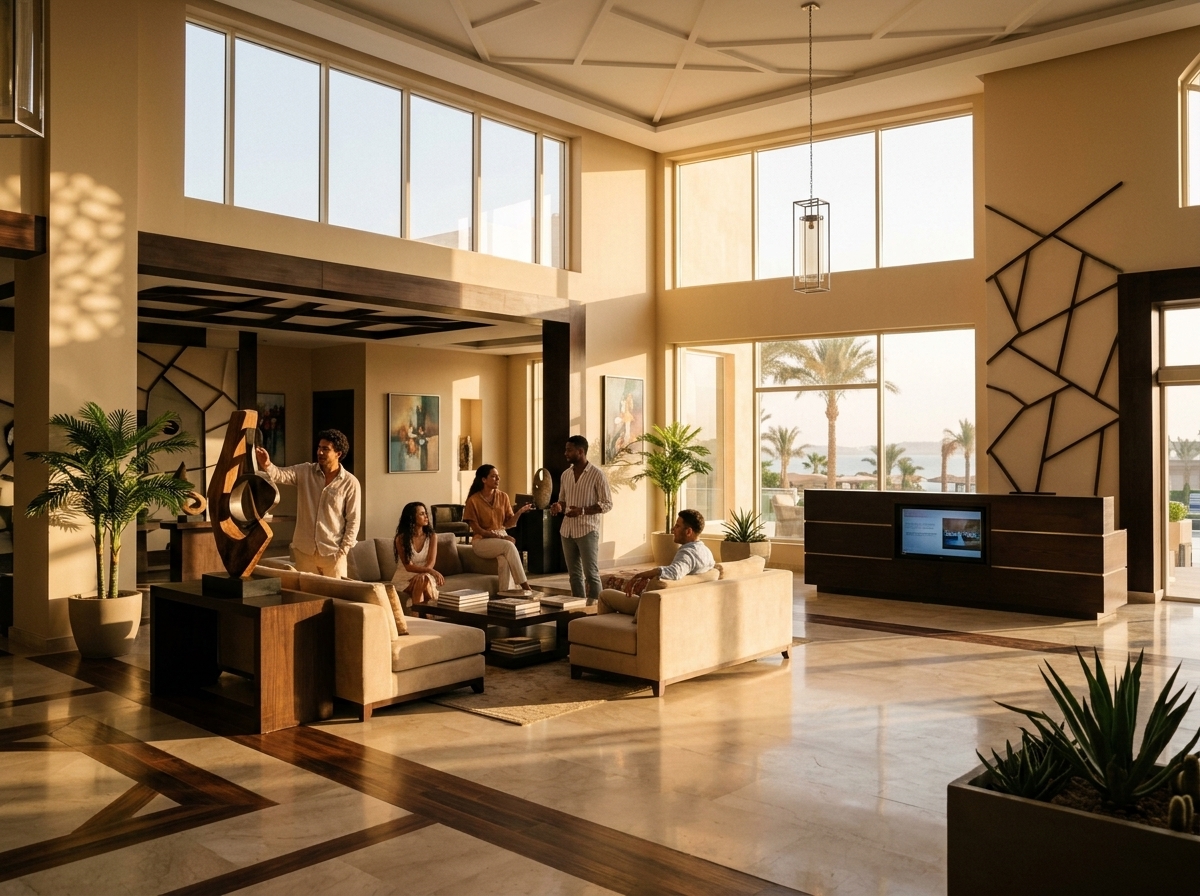
Incorporating technology into luxury design enhances both functionality and guest experience. The fusion of luxury with cutting-edge technology sets a new standard in hotel design.
Hospitality Interior Design in Dubai
Dubai is renowned for its luxurious hospitality spaces. Designing interiors that reflect this opulence requires attention to detail and an understanding of cultural nuances.
Cultural Integration: Incorporate local elements into design to create a unique and authentic ambiance.
Luxury Elements: Use high-quality materials and finishings to convey a sense of elegance and sophistication.
Smart Guestroom Technology Solutions
Smart technology in guestrooms offers convenience and personalization, enhancing the overall guest experience.
Automation Systems: Implement automated systems for lighting, temperature, and entertainment. This allows guests to customize their environment easily.
Connectivity Features: Ensure robust Wi-Fi and seamless device integration, catering to tech-savvy travelers.
Architectural Lighting Design Impact
Lighting plays a pivotal role in setting the ambiance and mood of a space. Well-planned lighting can transform a hotel environment.
Mood Lighting: Use adjustable lighting to create different atmospheres within the same space.
Highlight Features: Strategically placed lights can emphasize architectural features, enhancing visual appeal.
Comprehensive Design and Build Approach
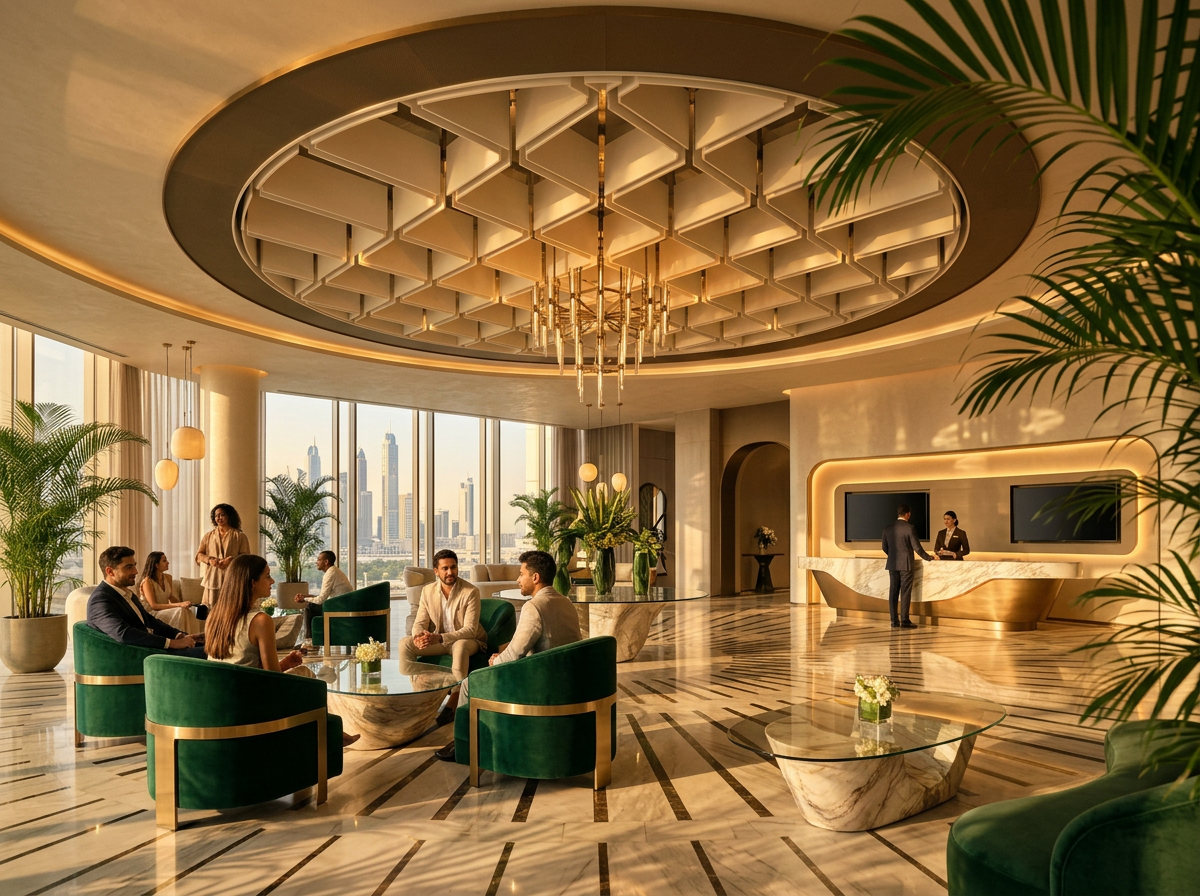
A comprehensive design and build approach involves coordinating multiple elements to create a cohesive and functional hotel environment.
FF&E Procurement and OS&E Coordination
Furniture, Fixtures, and Equipment (FF&E) and Operating Supplies and Equipment (OS&E) are critical components in hotel design. Effective procurement and coordination ensure quality and consistency.
Supplier Collaboration: Work closely with suppliers to source materials that meet design specifications and quality standards.
Logistical Planning: Plan and execute the delivery and installation of FF&E and OS&E seamlessly to avoid delays.
BIM Coordination and Acoustic Design
Building Information Modeling (BIM) and acoustic design are essential for creating efficient and comfortable hotel spaces.
BIM Utilization: Use BIM for precise planning and coordination between different design aspects, reducing errors and improving efficiency.
Sound Management: Implement acoustic solutions to minimize noise and enhance guest comfort.
Sustainable and Turnkey Hotel Fit-Out
Sustainability is increasingly important in modern hotel design. A turnkey fit-out ensures that all elements are ready for immediate use, enhancing efficiency.
Eco-Friendly Materials: Choose sustainable materials that reduce environmental impact without compromising on quality.
Turnkey Solutions: Offer a complete package with all design elements ready for operation, streamlining the process from concept to completion.
By integrating these strategies, you can create a hotel design plan that not only enhances the guest experience but also drives profitability and brand loyalty.


