Small spaces don’t mean small impact—especially when your budget is tight. Low budget restaurant design demands smart choices that deliver style and function without overspending. You’ll learn how to stretch every dirham with clever space planning, modular furniture, and architectural lighting for restaurants that create atmosphere on a budget. Ready to see how your compact restaurant interior design can stand out? Let’s get started.
By considering luxury hotel design principles, we can draw inspiration for our own unique spaces. This approach not only enhances the aesthetic appeal but also ensures a cost-effective restaurant fit-out that doesn’t compromise on quality.
For those interested in creating distinctive atmospheres, exploring elevated minimalism can provide valuable insights. This method can be particularly effective in crafting environments that resonate with both style and functionality.
When considering how to create a memorable guest experience, looking into designing boutique hotels can offer some valuable strategies. These insights can be transferred to the restaurant space, allowing for a seamless integration of brand experience design with practical solutions.
For more information about our services, visit AV Design International.
Smart Design Strategies
Creating an inviting restaurant on a budget requires strategic planning and creativity. By focusing on key elements, you can achieve a stylish and functional space without overspending.
Low Budget Restaurant Design Tips
Start by prioritizing essential design elements. Focus on a cohesive aesthetic that reflects your brand and appeals to your target audience. Use paint, wall art, and inexpensive materials to create a visually appealing environment. A simple coat of paint can transform a space and make it feel fresh and inviting. Choose colors that complement your brand’s identity and evoke the desired mood.
Furniture Choices: Opt for versatile pieces that serve multiple functions. For example, benches with built-in storage maximize space and utility. Lighting: Use warm, ambient lighting to create a welcoming atmosphere. It’s more cost-effective than architectural changes and significantly impacts the mood of the space.
Space Planning for Efficiency
Efficient space planning is crucial in making the most of limited square footage. Begin with a detailed floor plan that outlines your restaurant’s layout, including seating, kitchen, and service areas. This helps in visualizing the space and identifying potential issues early on. Think vertically: Use wall-mounted shelving and storage to free up floor space. This not only keeps the area organized but also adds a unique design element.
Flow and Movement: Ensure that the layout allows for easy movement of staff and patrons. Avoid cluttered spaces that can hinder service and detract from the dining experience.
Architectural Lighting for Ambiance
Lighting plays a pivotal role in setting the mood of your restaurant. Architectural lighting can transform a space, highlighting its best features and creating the desired ambiance. Layered Lighting: Combine different types of lighting, such as pendant lights, wall sconces, and recessed lighting, to add depth and variety. Energy Efficiency: Consider LED fixtures to save on energy costs while maintaining a stylish appearance.
Cost-Effective Interiors
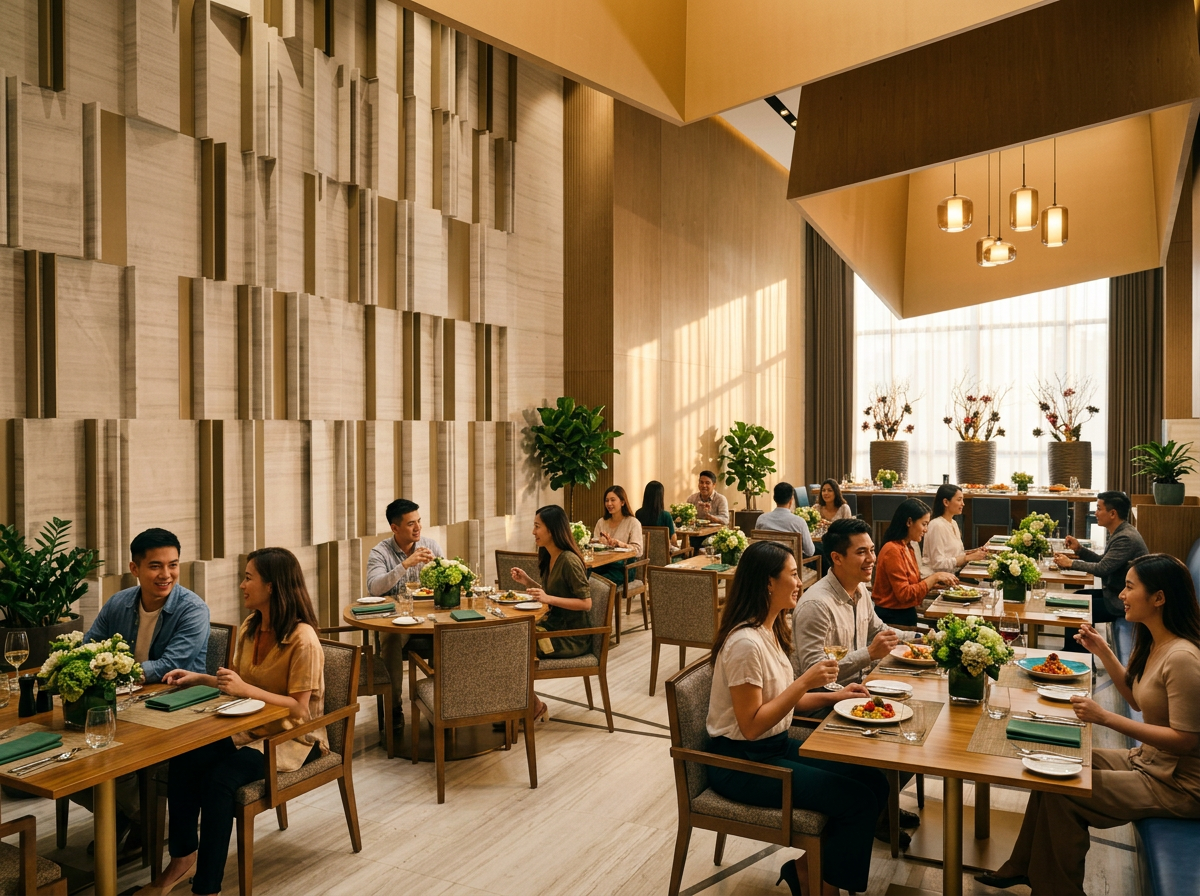
Transforming a space doesn’t have to be expensive. With the right strategies, you can create a stunning interior on a budget.
Value Engineering for Savings
Value engineering involves optimizing design elements to reduce costs without sacrificing quality. Focus on materials that offer durability and aesthetic appeal at a lower cost. Sourcing: Explore local suppliers and manufacturers for better deals and reduced shipping costs.
Alternative Materials: Use veneers or laminates instead of solid wood for a similar look at a fraction of the price. These materials are not only cost-effective but also offer a wide range of design possibilities.
Modular Restaurant Furniture Ideas
Modular furniture is a smart investment for any restaurant. Flexibility: These pieces can be rearranged to accommodate changing needs, such as larger groups or different dining setups. Cost Savings: Investing in modular furniture reduces the need for frequent replacements, saving money in the long run.
Customization: Many modular options allow for customization, ensuring that they fit seamlessly into your restaurant’s design and brand identity.
Compact Kitchen Layout Insights
A well-designed kitchen layout is essential for efficient operations in a small space. Workflow: Organize the kitchen to streamline processes, reducing the time taken to prepare and serve meals. Space Utilization: Use vertical storage solutions to maximize available space without compromising on functionality.
Equipment Choice: Choose compact, multi-functional appliances to save space and energy. This not only improves efficiency but also maintains a clutter-free environment, enhancing the overall aesthetic of your restaurant.
Enhancing Guest Experience
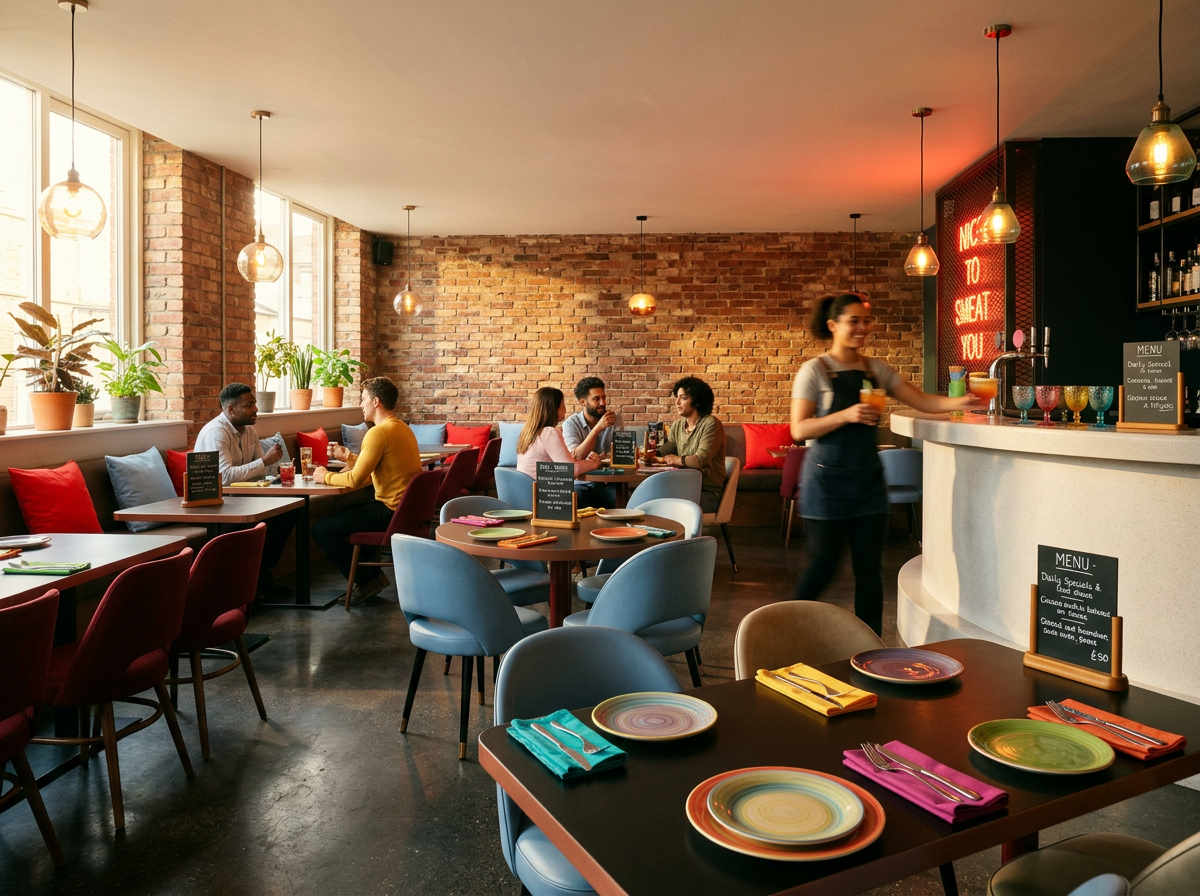
The guest experience is central to your restaurant’s success. By focusing on key areas, you can ensure that every visit is memorable.
Brand Experience Design Essentials
Creating a strong brand experience goes beyond aesthetics. It’s about how your restaurant makes guests feel. Consistency: Ensure that all design elements align with your brand’s identity, from the menu to the decor. Engagement: Use interactive elements, like digital menu boards, to enhance the dining experience and engage customers.
Storytelling: Incorporate elements that tell your brand’s story, making the experience more personal and memorable for guests.
Commercial Restaurant Acoustics
Good acoustics are crucial in creating a comfortable dining environment. Soundproofing: Use materials like acoustic panels or curtains to reduce noise levels and create a pleasant atmosphere. Music: Curate playlists that complement the ambiance and enhance the dining experience.
Layout: Arrange seating to minimize noise and ensure conversations can be easily heard, improving the overall guest experience.
Smart Menu Board Design Techniques
Menu boards are a key element in the dining experience. Clarity: Ensure that menus are easy to read and understand. Avoid cluttered designs that can overwhelm customers. Highlight Specials: Use design techniques to draw attention to daily specials or signature dishes, encouraging guests to try something new.
Digital Menus: Consider digital options for dynamic content that can be easily updated to reflect changes in the menu or promotions.
By implementing these smart strategies, your restaurant can achieve a high-impact design without exceeding your budget. The right choices can create an inviting space that delights guests and encourages repeat visits.


